
A wallet can tell you where value moved. It cannot, on its own, tell you how many real people were involved.
That distinction is at the heart of what I brought home from Singapore, and why Fuzzy™ is moving into Web3.
Singapore was an entirely new country for me. Alongside exploring somewhere unfamiliar, I was there for TOKEN2049, asking a question that matters to anyone building a company: where can what we have built make the biggest difference?
I came home with a clearer answer. The problem we are working on at Fuzzy reaches well beyond any one industry. Web3 makes it particularly visible.
A new place helps you ask better questions
There is something useful about getting out of your usual surroundings. You listen more closely. You ask the basic question instead of assuming you already understand the answer.
That was the mindset I brought to TOKEN2049.

The program put some revealing topics alongside each other: a panel on institutional adoption of decentralized finance, another on the emerging AI agent economy, and a fireside conversation about privacy and digital money.
My takeaway from that combination was simple: the industry is building for a world with more participants, more automation, and more value moving online. That makes the question of who is participating harder to ignore.
Those topics raise different questions. What will institutions need to trust? When an agent acts, who stands behind it? How much should anyone have to reveal to participate?
For me, they connect to a common challenge: how do we establish enough trust to make a decision while respecting the person involved?
That is a question I have spent a lot of time thinking about. Singapore helped me see its relevance in a much wider context.
Counting wallets is different from understanding participation
Imagine a project sets aside rewards for 100 people. One person arrives with 100 wallets.
The activity can look impressive. The distribution can work exactly as programmed. The project can still miss its goal entirely.
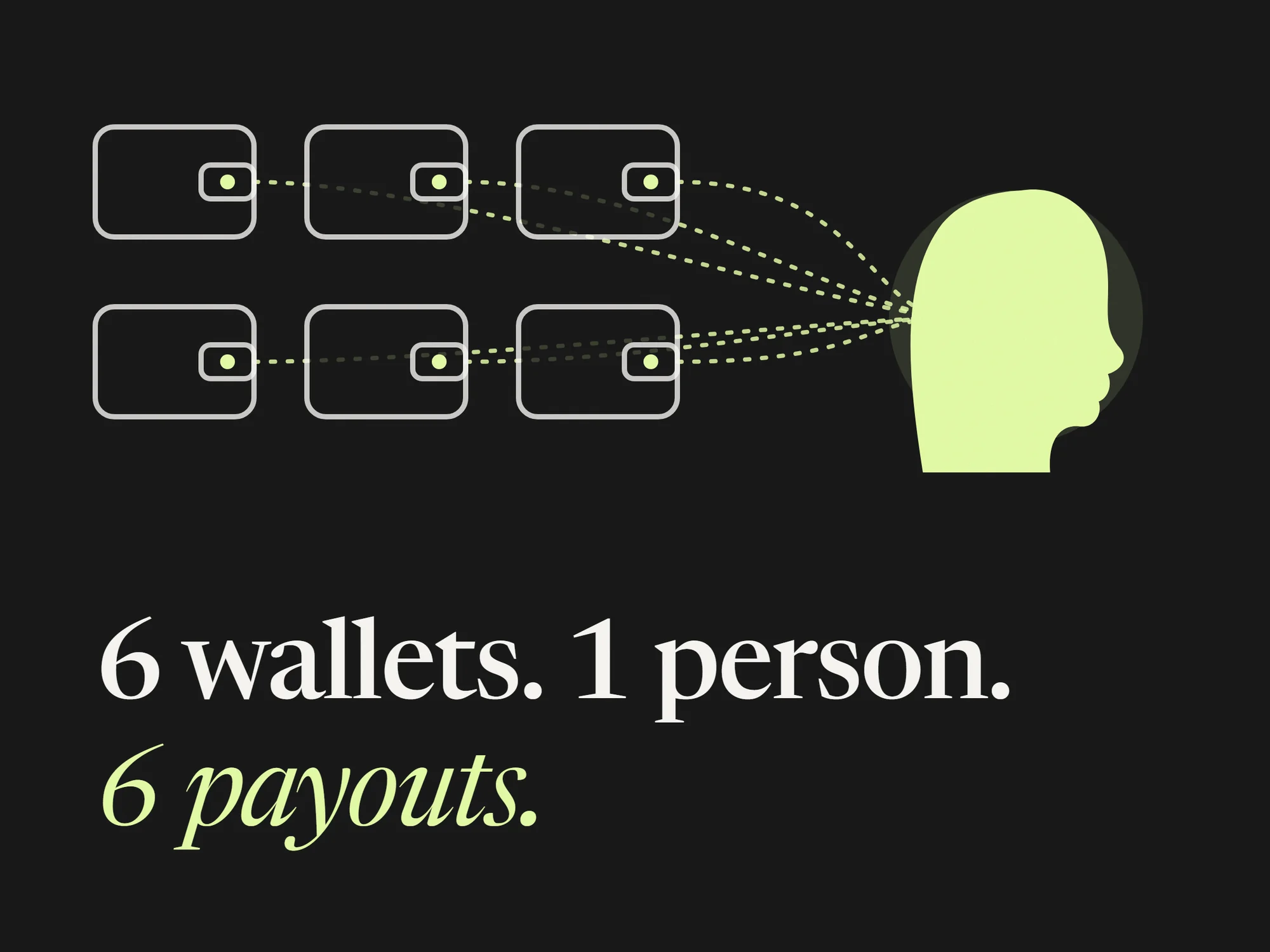
Multiple wallets are perfectly legitimate. People use them for different purposes. The difficulty comes when a program promises a benefit per person but measures participation by wallet.
That gap matters beyond the payout. It affects how a team understands its community, evaluates acquisition spending, and decides whether its incentives are working.
It also helps explain why simply asking everyone for more identity information is an incomplete answer. People have good reasons to care about privacy. A project trying to establish eligibility should ask what it actually needs to know.
Is this a real person? Do they meet this program’s requirements? Have they already received this particular benefit?
Those are distinct questions. A useful system needs to handle them carefully, including what happens when the answer is uncertain.
The bigger opportunity, as I see it, is to make trustworthy participation easier without making unnecessary exposure the price of entry.
That is where Fuzzy’s mission and Web3’s needs meet.
Fuzzy’s next chapter starts with that human question
We are bringing an existing verification foundation into this work. At Barry University, nearly 4,000 applicants had been routed to Fuzzy between August 1 and October 13.
Working in a real institutional setting keeps the human side of verification very tangible. Someone has to complete the process. A team has to use the result. Both experiences matter.
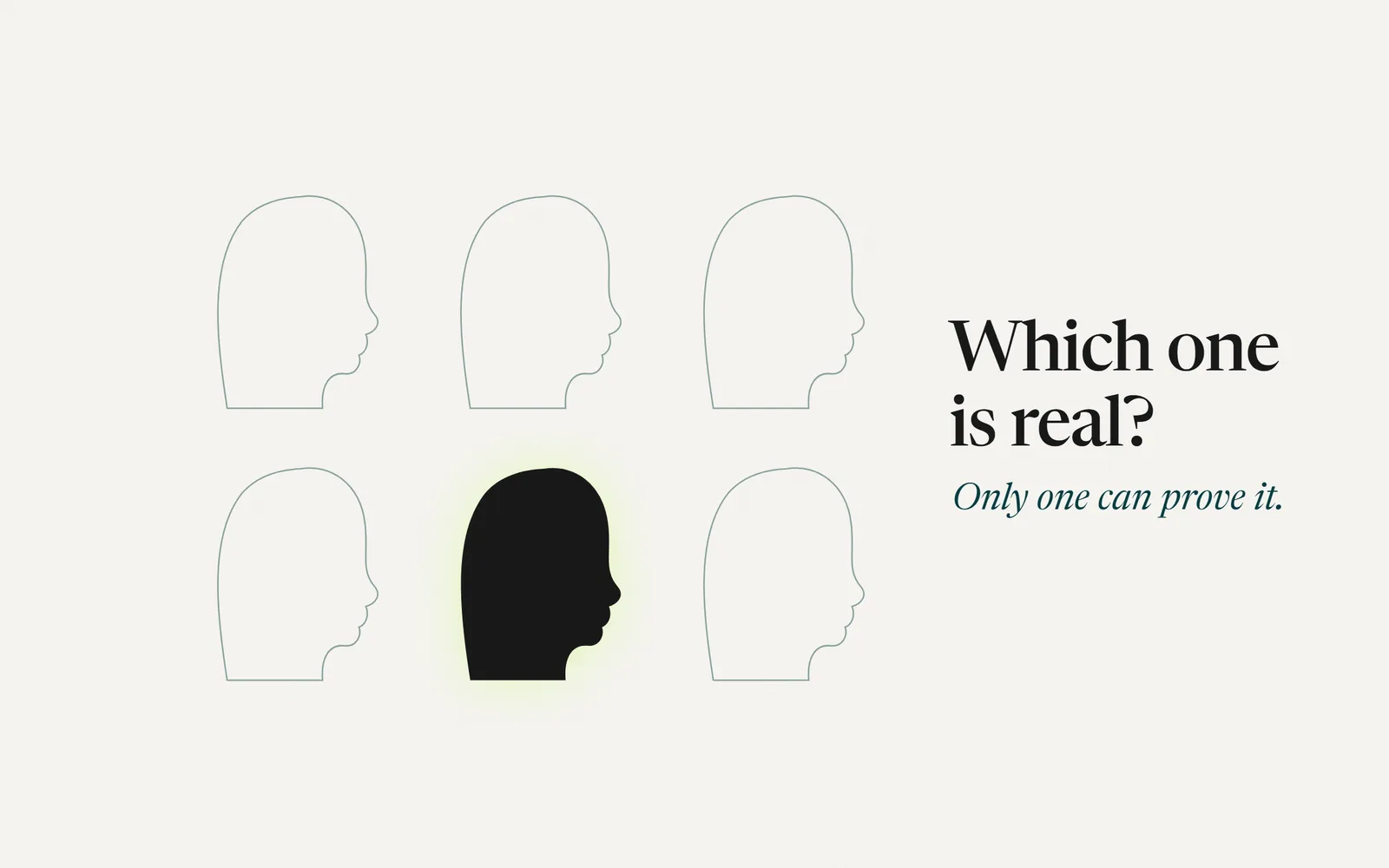
Our direction in Web3 builds from that foundation: help projects make better decisions about human participation, with privacy central to the approach.
Token launches and rewards are a practical place to begin. They give us a clear question to test with partners: can stronger assurance about the person improve the fairness of a distribution?
The bigger ambition is for trust to travel with the person. Over time, I want people to be able to establish that they qualify to participate without starting from scratch or handing over their identity everywhere they go. That could matter across communities, governance, and other applications. We will need to earn that ambition through careful development and testing.
That is the part I am excited about: taking a real foundation, asking better questions, and building with people who understand the problem firsthand.
Exploring a new country gave me room to look at our company with fresh eyes. I came home with more conviction about where we can contribute.
If you are building in Web3, here is the question I would leave you with: when you look at your growth, your rewards, or your community, how much do you know about the humans behind the activity?
Kalie